Bordeaux France Wine Regions: the Left Bank, the Right Bank and the Graves
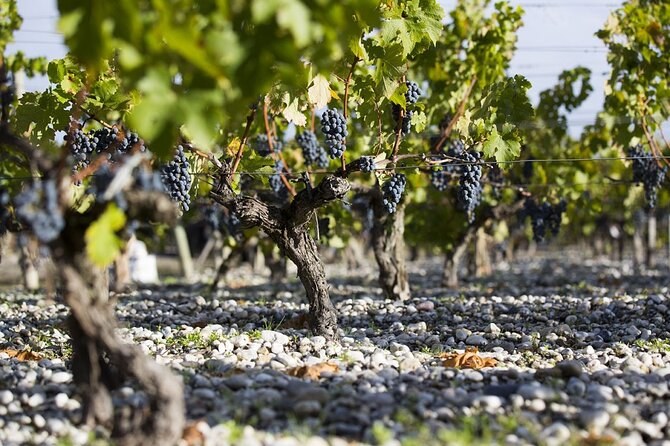
The short answer. Two rivers split Bordeaux's wine country. West of them, the left bank holds the Médoc's châteaux road, Pessac-Léognan and the sweet-wine country of Sauternes. East of the Dordogne, the right bank holds Saint-Émilion and Pomerol. Merlot leads on the right, Cabernet Sauvignon in the Médoc. A day trip covers one bank well, or two with an early start.
Bordeaux France wine regions at a glance
You will hear "left bank" and "right bank" in every cellar. The Garonne and the Dordogne meet north of the city and become the Gironde estuary. Everything west of them is the left bank; everything east of the Dordogne is the right. Each side ranks its wine its own way, which is why the labels read so differently.
| Area | Where | Main grape | How it ranks its wine | A day there |
|---|---|---|---|---|
| Saint-Émilion | Right bank, east of the Dordogne | Merlot | Its own list, redrawn every ten years | Châteaux and a medieval village |
| Pomerol | Right bank, beside Saint-Émilion | Merlot | No official ranking | On the Saint-Émilion days |
| The Médoc | Left bank, north along the estuary | Cabernet Sauvignon | The 1855 list, which never changes | A road of estates, nearly all private days |
| Pessac-Léognan | Left bank, from the city's edge south | Reds and dry whites | The Graves list of 1953 and 1959 | A private day, or a tram ride |
| Sauternes and Barsac | South, by the Ciron | Sémillon | 27 sweet growths of 1855 | Book a château direct |
Six grapes, and why the blend matters
Bordeaux is built on six main grape varieties, three red and three white, and most of its wines are blends. The wine council gives the shares. Among the reds, Merlot covers 66% of the vineyard, Cabernet Sauvignon 22.5% and Cabernet Franc 9.5%. Among the whites, Sauvignon Blanc covers 45%, Sémillon 42% and Muscadelle 5%.
What does that mean for your day? On the right bank you taste mostly Merlot; in the Médoc, more Cabernet Sauvignon. So a day on each bank tastes like two different regions. Ask your guide for the blend of each wine you are poured, and the difference soon makes sense.
Saint-Émilion: a village and 85 classified châteaux
Saint-Émilion and Saint-Émilion Grand Cru share 5,400 hectares across nine communes, worked by about 700 growers. "Grand Cru" on a label here names the appellation, with lower yields, 46 hectolitres a hectare against 53, and at least ten months' ageing. The rank is something else: the 2022 classification lists 85 châteaux, from 71 Grands Crus Classés up to two Premiers Grands Crus Classés "A".
The village is the other half of the visit. UNESCO listed the Jurisdiction of Saint-Emilion in 1999, over 7,847 hectares, and the wine council calls it the first wine region to win that status. Below the streets lies the Monolithic Church, dug out of the rock in the early 12th century, which you see only with the tourist office's guide. The half day with a Grand Cru Classé gives you about 75 minutes at the château and 75 in the village.
Pomerol, the small plateau next door
Pomerol sits on a plateau beside Saint-Émilion, north of Libourne. It is one of the smallest appellations in Bordeaux: 813 hectares and 138 growers, about 0.7% of the region. Merlot covers 80% of the vines and Cabernet Franc 15%. Pomerol has never ranked its wines; the wine council says each estate's name and price do that job. You reach it on the Saint-Émilion days, and one private Grand Cru day names both in its title.
The Médoc: a road of ranked names
North of the city, the Médoc runs along the left bank of the estuary. Its ranking is the famous one. For the Paris Universal Exhibition of 1855, Napoleon III asked for a list, and Bordeaux's brokers drew it up: 88 growths in all, 60 of them Médoc reds. The wine council says it never changes, unlike the other classifications.
Margaux
The first great name on the road: 1,500 hectares and 62 estates. It holds 21 of the red growths of 1855, more than any other appellation, and every rank from First Growth to Fifth. Every wine made here is red.
Saint-Julien
Smaller, at 910 hectares, and dense with classified estates: eleven growths of 1855 make 90% of its wine. Cabernet Sauvignon covers more than 60% of the vines, the highest share in Bordeaux.
Pauillac
Pauillac has 1,220 hectares and 47 growers, and 18 growths of 1855. Three of them are First Growths: Lafite Rothschild, Latour and Mouton Rothschild. If you want the Médoc's biggest names on one stretch of road, this is it.
Past Pauillac, Saint-Estèphe ends the road. A half day reaches Margaux and Saint-Julien; you need a full day for the far end. The Médoc day in a Citroën DS sells both lengths.
Pessac-Léognan and the Graves, where the city's wine began
South of the city lie the Graves, named for their gravel soils. The wine council calls them the birthplace of the city's winemaking heritage. All of their classified growths now sit in the Pessac-Léognan appellation, created in the 1980s. The list was first drawn in 1953 and confirmed in 1959, and it holds 14 family estates.
Château Haut-Brion is the only estate classified twice, in 1855 and in the Graves, and you can reach it by tram. That makes Pessac-Léognan the easiest bank to try on your own. The visitor guide gives the tram and bus stops.
Sauternes and Barsac, the sweet whites
Sauternes makes only sweet white wine, on 1,200 hectares with 140 growers across five communes. Fog off the Ciron and afternoon sun bring noble rot, which shrivels and concentrates the grapes. Pickers go through the rows several times, taking one bunch at a time. The area holds 27 growths of 1855, with Château d'Yquem alone ranked Premier Cru Supérieur. None of the shared days goes there, so ask a private operator or book a château direct.
Which bank first?
With one day, pick the right bank: Saint-Émilion gives you châteaux and a village, and most shared days go there. With two, give the second to the Médoc. Can you do both in one day? Yes, with an early start: the shared day in Saint-Émilion and Margaux costs $206, and it pays the tastings for you.
Every day that reaches a winery is on Bordeaux wine tours, and the private ones on private tours from Bordeaux.
Days that stay on one bank
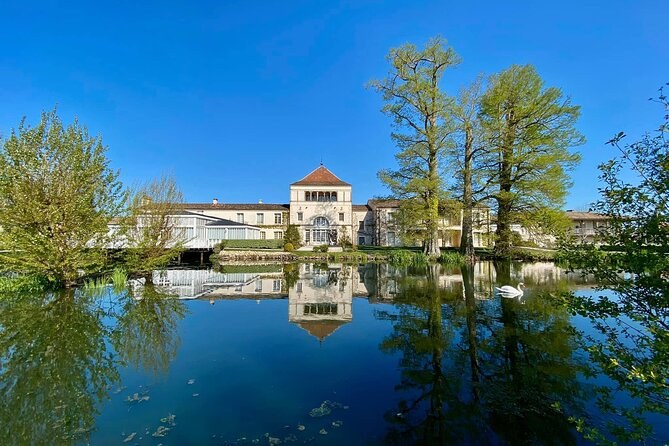
Private Tour to Pessac-Léognan: Cradle of Great Wines
A private day south of the city in Pessac-Léognan, the home of the Graves classification, with a WSET-trained guide, hotel pickup and the château visits and tastings in the fare. Lunch is extra.
From $878 per person
Check Availability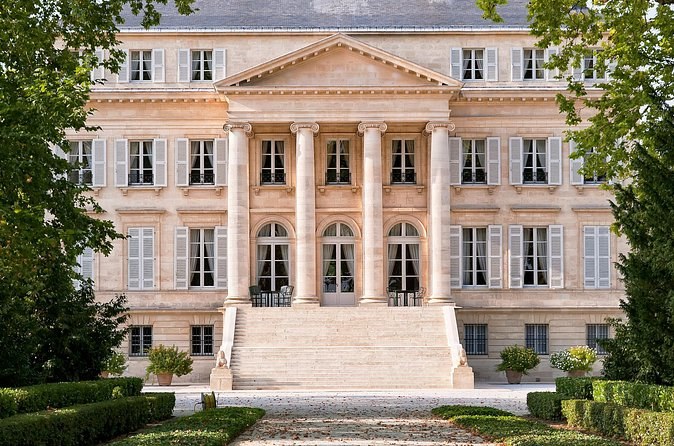
Bordeaux Cruise Port Shore Excursion: Full-Day Private Medoc Wine Tour
A private eight-hour Médoc day that starts and ends at the cruise terminal, in a minivan of eight at most, with two wineries booked ahead and an English-speaking guide. Ask which tasting fees your fare covers.
From $661 per person
Check Availability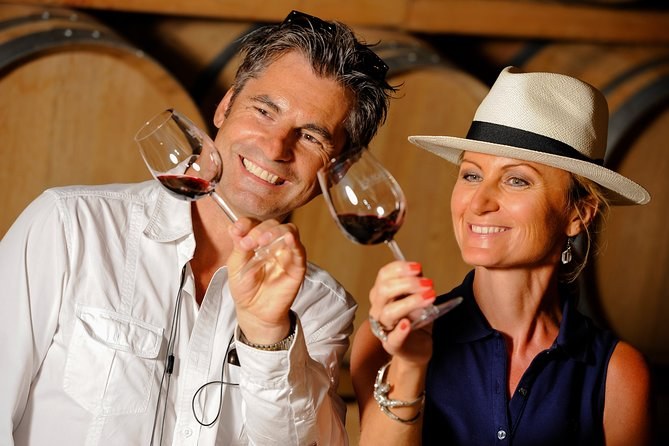
Private Médoc 4.5 hours Wine Tour in a Citroën 2CV from Bordeaux
Four and a half hours in the Médoc in an open Citroën 2CV for up to three, with visits and tastings at two châteaux in the fare and pickup at your hotel, flat or cruise ship.
From $286 per person
Check AvailabilityNext: Put numbers to the ranks on the Bordeaux facts page. Every fare sits side by side on Bordeaux France Tours.